

From Jakarta to the Vatican, Prime Minister Albanese's journey underscores a global call to ban the world's most destructive weapons, writesDave Sweeney.
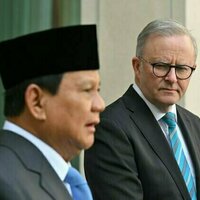
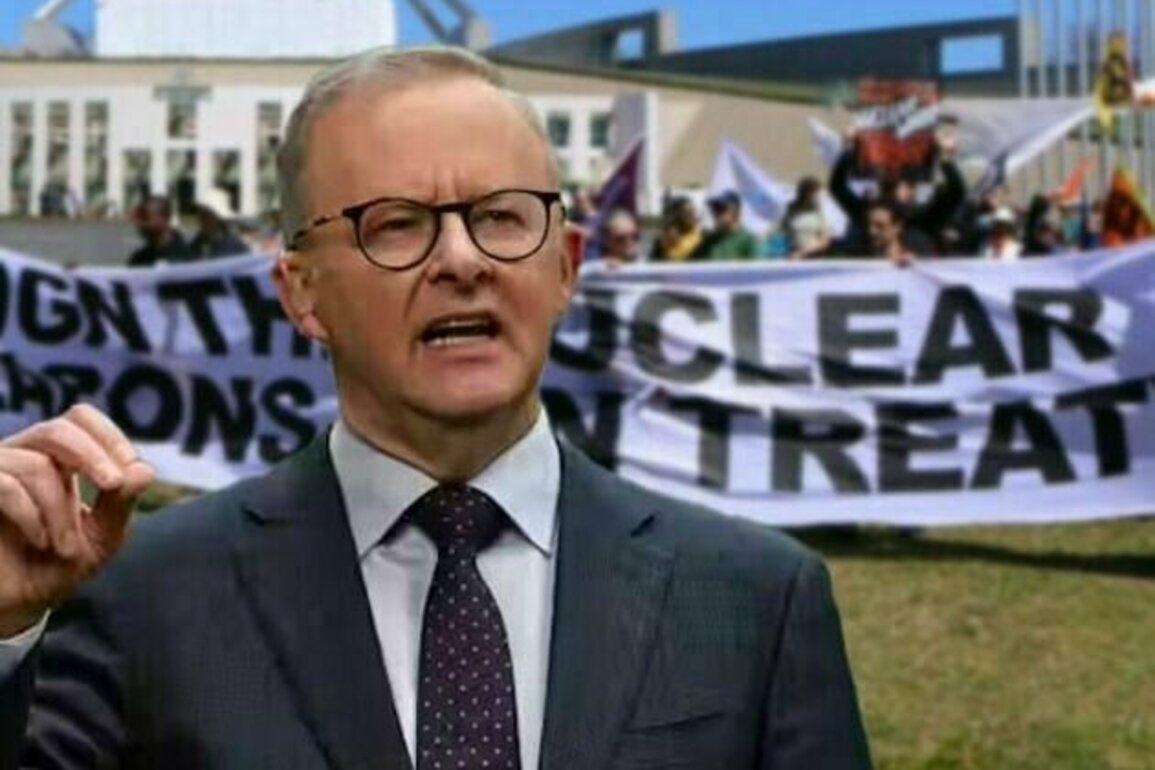
ON HIS FIRST overseas trip since his sweeping election victory, Prime MinisterAnthony Albanesemade for two very different destinations.
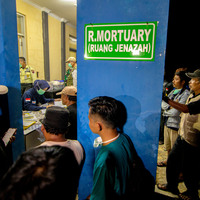
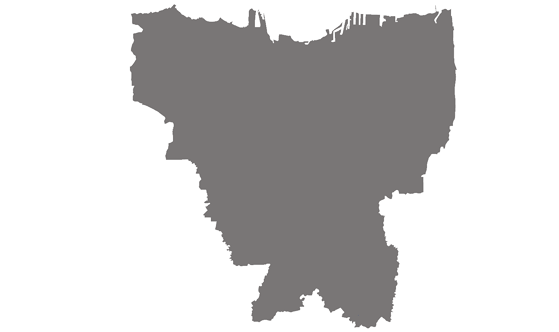
The first stop was steamy Jakarta, the capital of Indonesia, the worlds most populous island nation and home to the worlds largest Muslim population with around 240 million or 13 per cent of the globes believers.
After Indonesia, the PM switched time zones and belief systems and headed to the Vatican, the worlds smallest sovereign state in terms of area and population, and the (sacred) heartland of the Catholic faith.
These two places are very different worlds, with very different worldviews, but both have an active desire to protect our shared world from its most avoidable existential threat: nuclear war.
The nuclear testing revival: Global fallout with deadly consequencesThe push to restart U.S. nuclear testing raises fears of global fallout, echoing a dangerous past with lasting consequences
Prime Minister Albanese also holds this view.
In December 2018, he championed Federal Labors support for the newly adopted UN Treaty on the Prohibition of Nuclear Weapons (TPNW),stating:
The TPNW, adopted by the UN in 2017 with more than 120 nations voting in favour, grew from an Australian initiative by the International Campaign to Abolish Nuclear Weapons (ICAN).
ICAN was launched in Melbourne in 2007 and was awarded the 2017 Nobel Peace Prize inrecognitionof the groups work to draw attention to the catastrophic humanitarian consequences of any use of nuclear weapons and its groundbreaking efforts to achieve a treaty-based prohibition of such weapons.
The TPNW entered into force in January 2021, an act which has finally and formally seen nuclear weapons be declared unlawful under international humanitarian law.
Supporters of the TPNW have described the Treaty as our planets best way to get rid of its worst weapons.
The fragile and fractured global situation starkly highlights the urgency of this task.
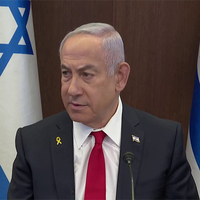
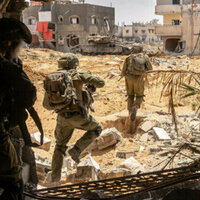
Two nuclear weapon states, Israel and Russia, are actively involved in hot wars.
Two more, India and Pakistan, are engaged in risky posturing that could dramatically escalate, while two others, China and the United States, are shaping up for a trade war with hints of worse to come.
Doomsday Clock at 90 seconds to midnight time is almost upNuclear experts are warning that we are dangerously close to annihilation as wars escalate around the world.
Against this grim background, the TPNW is a star that provides some light and hope and a navigation point to help chart a safer and saner course for our shared future.
Nations are embracing this path with half of the worlds countries having signed, ratified or acceded to the Treaty, including Indonesia and the Vatican/Holy See.
When it ratified the TPNW last September, Indonesia a leading player in the globalNon-Aligned Movementmade clearthat the possession and use of nuclear weapons cannot be justified for any reason.
Speaking at the time, then Foreign MinisterRetno Marsudiposed the fundamental question and delivered thehumane answer:
The late PopeFranciswas a strong supporter of the TPNW and gave expression to theprincipleof blessed are the peacemakers with the Vaticans championing and early adoption of the Treaty. The Popedescribedthe very existence of nuclear weapons as an affront to heaven. In his final Easter Sunday sermon, shortly before he died, he made a powerful call for peace and weapons abolition.
A 'no first use' U.S. nuclear policy could save the worldA commitment from the U.S. to "no first use" of nuclear weapons could significantly reduce the current risk of a nuclear war.
These calls for nuclear abolition and for ways of addressing conflict that do not risk all that ever was, is or could be on our shared planet are finding a resonance and echo in many other nations.
Labors National Platformis clear:
In this year that marks 80 years since the unveiling of the age of Armageddon with the first atom bomb test in New Mexico and the first atom bombings of the Japanese cities of Hiroshima and Nagasaki, it is time to turn a political platform into a prescription for a habitable world.
It is time for Australia to follow the example of Indonesia, the Vatican and many other nations and to show that the pen is mightier than the sword by signing the TPNW.
As they say, Prime Minister, when in Rome...
Dave Sweeneyis theAustralian Conservation Foundation'snuclear-free campaigner and was a founding member ofICAN. You can follow him@nukedavesweeney.
Related Articles
- Nuclear deterrence is a dangerous fraud
- The Oppenheimer imperative: Normalising atomic terror
- U.S. slammed for decrying Australia's anti-nuke stance
- HELEN CALDICOTT: Russia's war could spell worldwide nuclear disaster
- HELEN CALDICOTT: Time to learn lessons of the past on nuclear